
Envision an existence where the lines between the physical and computerized domains obscure, where you can step into a virtual universe as genuine as the one external your window. This vision of a computerized ideal world's known as the "Metaverse." In the domain of innovation, the Metaverse has become perhaps of the most requested and examined subject, promising to reshape the manner in which we live, work, and play before very long. In this blog entry, we'll set out on an excursion into the Metaverse, investigating its definition, its likely applications, and the difficulties it presents.
Characterizing the Metaverse
The expression "Metaverse" is gotten from "meta-" (significance past or rising above) and "universe." It alludes to an aggregate virtual shared space that incorporates the amount of every single virtual climate, increased reality, and the web. In straightforward terms, it's a combination of physical and computerized real factors.

Metaverse Elements
Virtual Worlds: These are immersive digital spaces where users interact using avatars. Popular examples include Second Life and Fortnite.
Augmented Reality (AR): AR overlays digital information on the physical world through devices like smartphones or AR glasses, enhancing our perception.
Virtual Reality (VR): VR immerses users in entirely digital environments using specialized headsets and controllers.
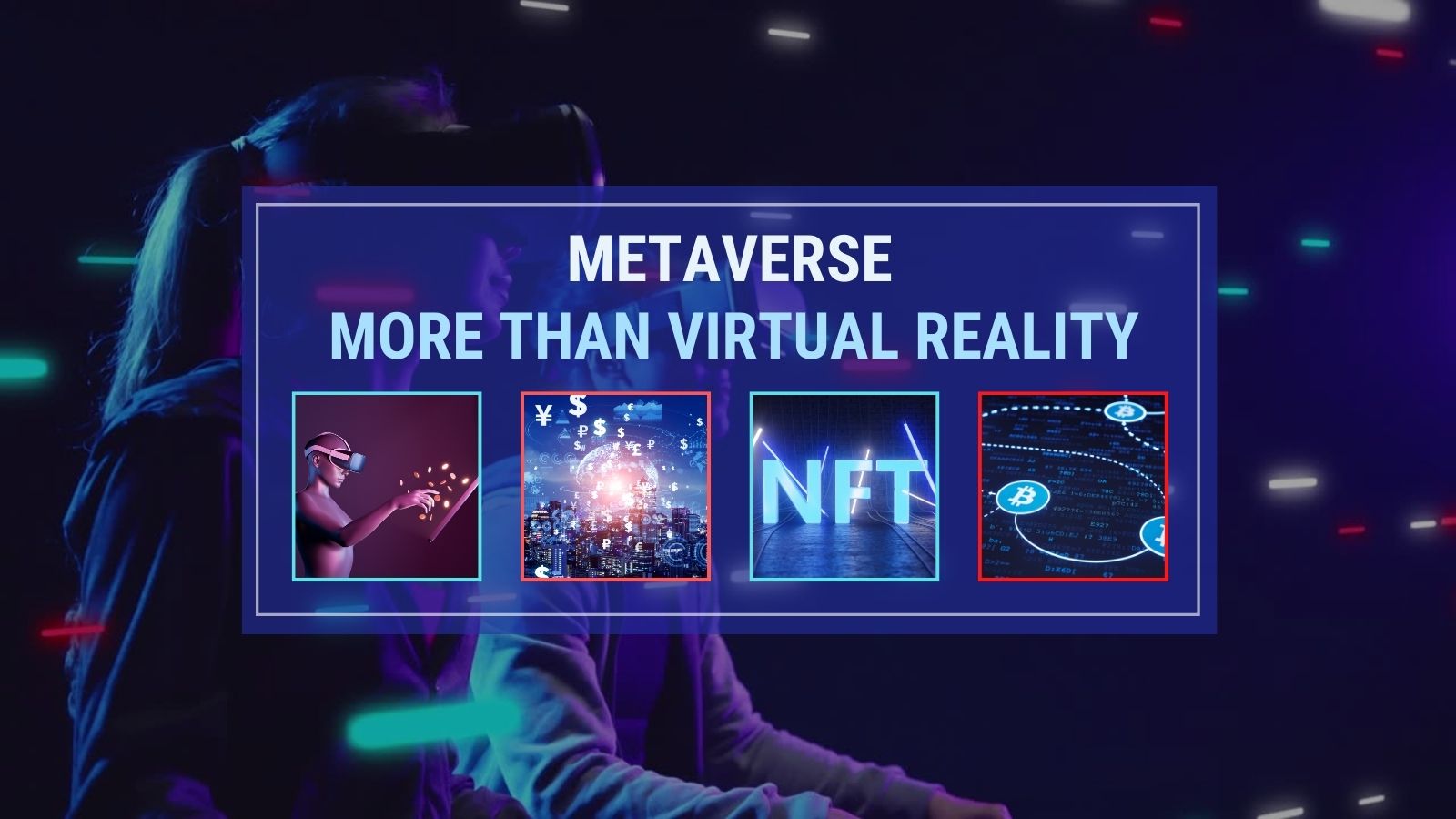
Blockchain and Digital Assets: The Metaverse often involves blockchain technology for creating and managing digital assets, including virtual real estate and in-game items.

Applications of the Metaverse
Social Interaction: The Metaverse allows people to meet, socialize, and collaborate in digital spaces. Social VR platforms and virtual conferences are examples.
Education: Virtual classrooms and immersive educational experiences can make learning more engaging and accessible.
Gaming: The gaming industry is a significant driver of the Metaverse. Games like Fortnite and Minecraft already exhibit Metaverse-like qualities.
Work: Remote work and virtual offices could become more immersive and productive in Metaverse environments.
Economy: The Metaverse has its own economy, with virtual goods and services traded for real money. It offers opportunities for businesses and entrepreneurs.
Challenges and Concerns
Digital Divide: Access to the Metaverse relies on technology and internet access. Bridging the digital divide is essential to prevent exclusion.
Regulation: Determining jurisdiction and regulating activities within the Metaverse presents legal challenges.



0 Comments